Brand consistency
Maintain a familiar visual identity so Mynix feels part of the organization's technology environment.
Customization · organization fit
Adapt Mynix to your organization's language, data requirements, workflows, and service commitments. Shape the platform around the processes your teams already follow.
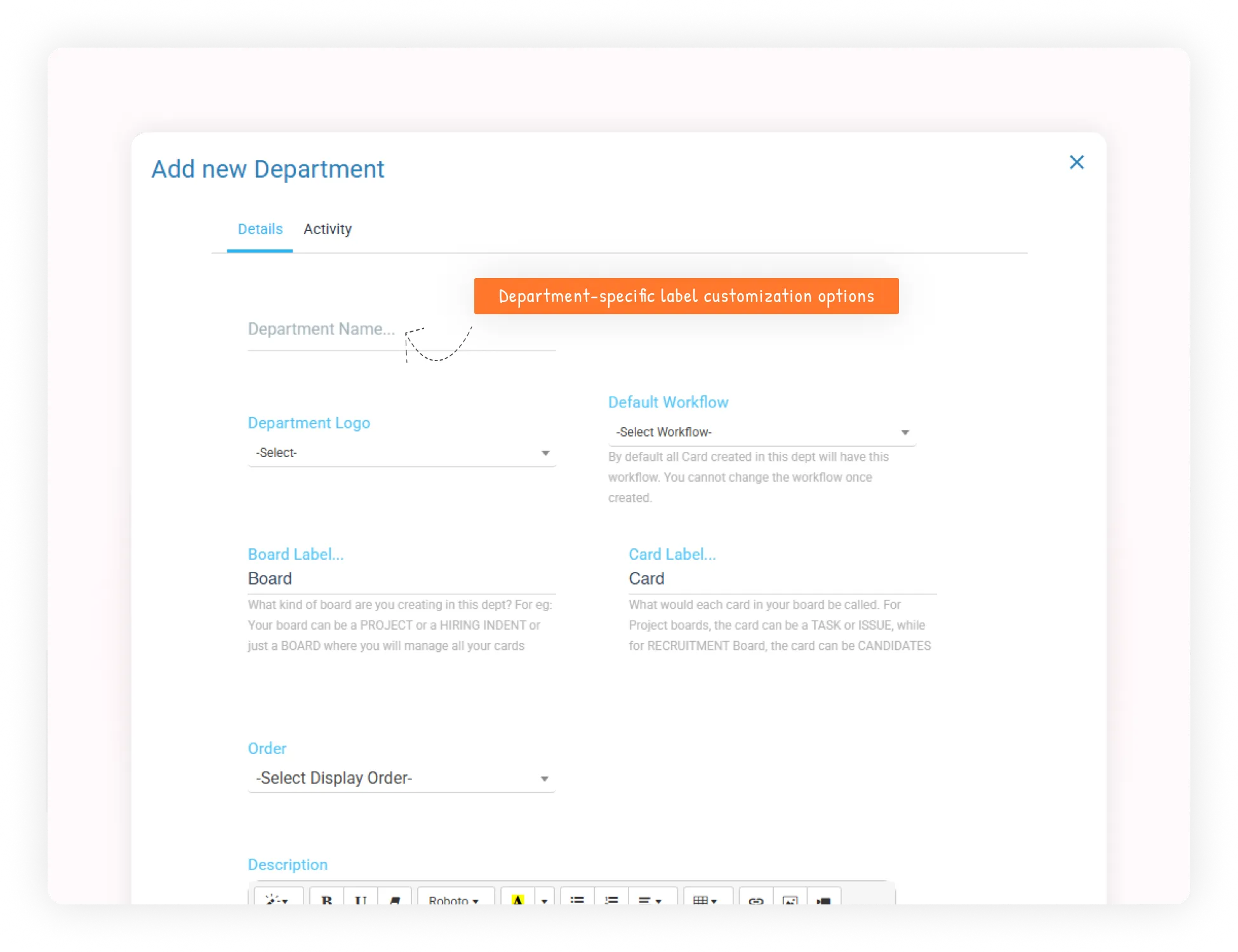
Create a platform that fits your organization
Every organization has its own vocabulary, information requirements, operating rules, and service expectations. Customization gives you control over those details instead of forcing your processes into a fixed structure.
Shape what Mynix looks like, what it calls things, what it collects, and how it governs work.
Apply colors, branding, and visual identity across the platform experience.
Use the words your departments and industry already understand.
Capture information that is unique to your business and workflows.
Define SLA expectations and escalation behavior around real operational needs.
Four ways to make Mynix fit
The customization capabilities work together across the details that make each organization's operating model unique.
Maintain a familiar visual identity so Mynix feels part of the organization's technology environment.
Use terminology and workflows teams already understand to reduce the learning curve.
Configure data structures, rules, and workflows around real business processes.
Evolve the platform as teams, processes, and operational requirements become more sophisticated.
Speak your organization's language
Custom Labels & Terminology lets organizations adapt system language to match departments, industries, and internal processes.
Customize menu and navigation terminology so users know where to go.
Use familiar names for fields, content types, statuses, and phases.
Adapt button and action text to match the language of the process.
Capture information unique to your business
Custom Field Creation lets teams collect structured information beyond standard fields and make it part of forms and workflows.
Capture descriptions, identifiers, quantities, and business values.
Collect deadlines, schedules, appointments, and business events.
Use dropdowns and checkboxes to structure controlled selections.
Connect uploads, references, and additional specialized data types.
Build smarter data collection
Customization goes beyond adding another field. Validation and business logic help teams collect information correctly and consistently without relying on one generic form for every process.
Enforce the requirements that keep information useful and complete.
Configure how information affects the next step in the process.
Keep data consistent across forms, workflows, and teams.
Put time-based commitments into the process
Define the service-level commitment for the work that needs it.
Monitor progress against the configured expectation without manual checks.
Surface work that is approaching its commitment and needs attention.
Apply notification and escalation rules when work exceeds expectations.
Control workflow behavior
Business rules, validation logic, process configuration, and SLA rules work together to create a controlled operating model.
Define rules that reflect how your organization operates and makes decisions.
Ensure required information and data requirements are enforced consistently.
Structure workflows around the actual stages and requirements of the business.
Apply time-based expectations to the work and services that need them.
Customization that grows with the organization
Begin with branding and terminology, then introduce custom fields, workflow behavior, and SLA rules as different teams require them.
Apply the identity and presentation your organization recognizes.
Use terminology that feels natural to each team and department.
Add fields, validation, and rules for the information processes require.
Monitor SLA expectations and evolve the operating model over time.
Brand it. Name it. Structure it. Govern it. Start customizing Mynix around the way your organization works.